
The Regions
Five Regions. One Extraordinary Country.
Argentina is not one place — it is a continent compressed into a single nation. Each region we visit has its own cuisine, landscape, and rhythm. Here is what to expect.
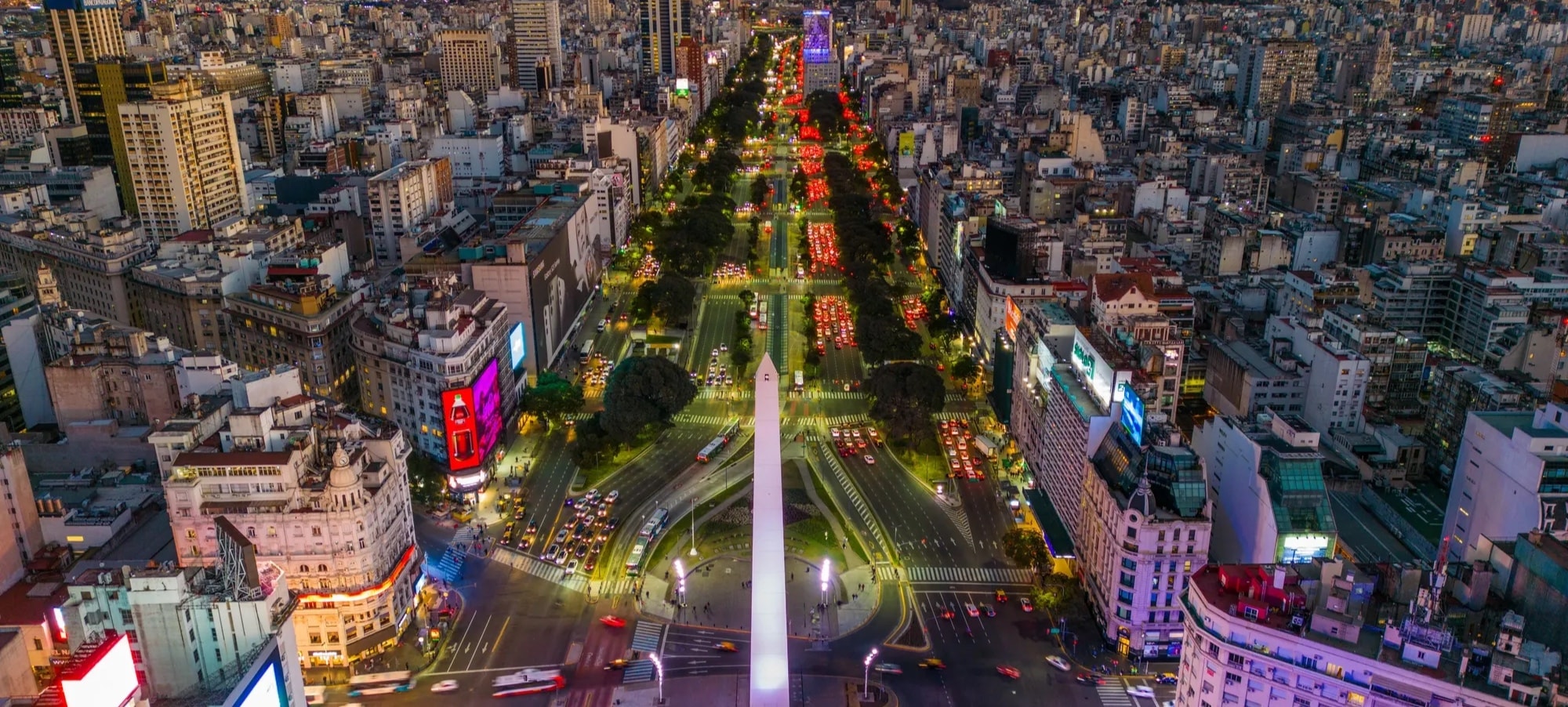
Days 1–3 & Day 14
Buenos Aires
The city that never stops eating
Buenos Aires is one of the world's great food cities — a place where the parrilla is a religion, the wine list is serious, and dinner doesn't start until 10pm. We spend time in Palermo, San Telmo, and Recoleta, eating our way through markets, chef-driven restaurants, and neighbourhood classics.
Highlights
- Classic parrilla dinners with prime Argentine beef and Malbec
- Mercado de San Telmo — the city's best food market
- Private cooking class: empanadas, chimichurri, dulce de leche
- Contemporary restaurants at the forefront of Argentine cuisine
- Tango dinner show at a traditional milonga
Climate
Temperate year-round. Spring (Oct–Nov) and autumn (Mar–Apr) are ideal — warm days, cool evenings.
Best For
Food lovers, culture seekers, city explorers
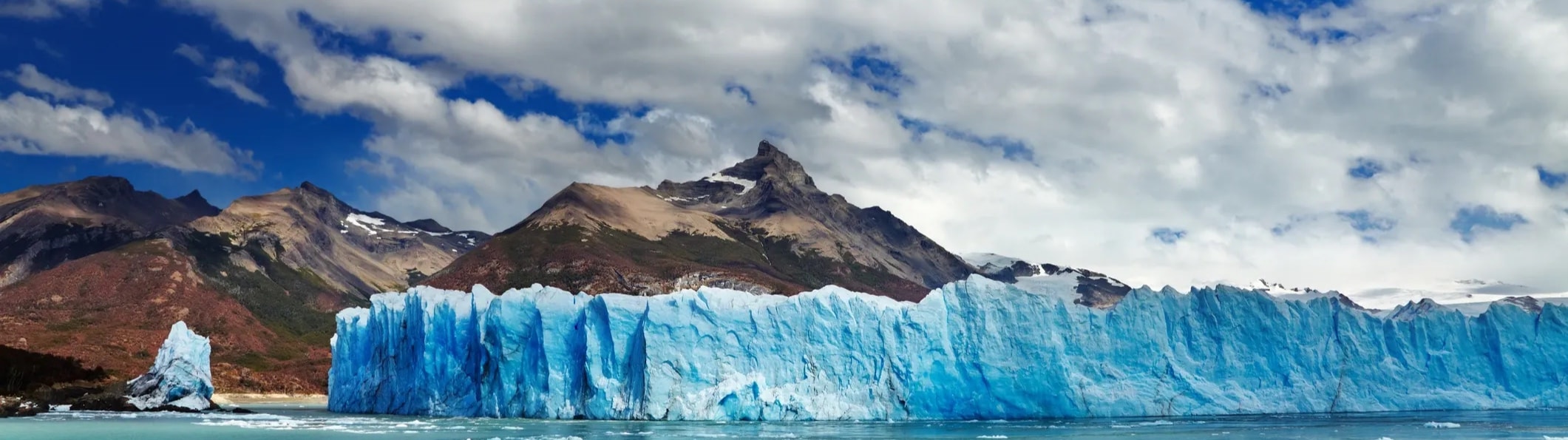
Days 4–6
El Calafate & Patagonia
Ice, silence, and Patagonian lamb
El Calafate sits on the edge of Lago Argentino, the gateway to Los Glaciares National Park and the Perito Moreno Glacier — one of the few glaciers in the world still advancing. The landscape is raw and elemental: turquoise lakes, steppe grasslands, and ice walls the height of a ten-storey building.
Highlights
- Perito Moreno Glacier — walkways, mini-trekking, and boat excursion
- Upsala and Spegazzini glaciers by boat from Puerto Bandera
- Patagonian cordero (lamb) roasted over an open fire
- Lakeside lodge on Lago Argentino
- Craft beer from Patagonia's growing microbrewery scene
Climate
Cool and windy year-round. Summer (Dec–Feb) offers the longest days and most stable weather. Wind is constant.
Best For
Adventure travellers, nature lovers, photographers

Days 7–8
Ushuaia & Tierra del Fuego
The end of the world — and the freshest seafood on earth
Ushuaia is the world's southernmost city, pressed between the Martial Mountains and the Beagle Channel. It is dramatic, remote, and surprisingly sophisticated — with an exceptional seafood scene built around centolla (king crab), southern sea bass, and freshly caught shellfish.
Highlights
- Tierra del Fuego National Park — ancient forests and the End of the World Train
- Catamaran on the Beagle Channel — sea lions, penguins, and lighthouse islands
- Centolla (king crab) tasting menu at a local institution
- Sunset from the Martial Glacier viewpoint
- Port market — smoked fish, local preserves, and artisan goods
Climate
Cold and unpredictable. Summer (Dec–Feb) is the only practical time to visit — expect 4–15°C and changeable conditions.
Best For
Wildlife enthusiasts, seafood lovers, end-of-the-world seekers
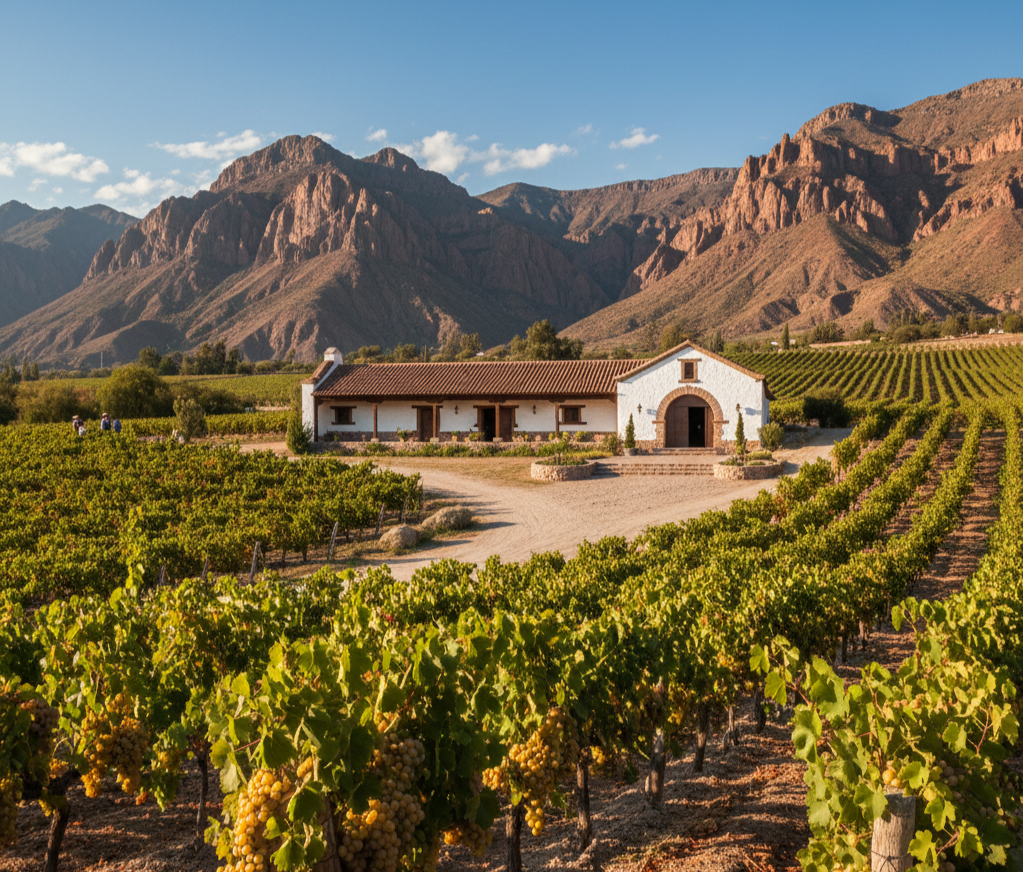
Days 9–10
Cafayate & the Wine Valleys
High-altitude wine country in the shadow of the Andes
Cafayate sits at 1,700m in the Calchaquí Valleys of Salta Province — one of the highest wine-growing regions on earth. It is the home of Torrontés, Argentina's distinctive aromatic white, and produces some of the country's most exciting Malbec and Cabernet Sauvignon. The landscape is extraordinary: red rock canyons, desert scrub, and vine rows stretching to the mountains.
Highlights
- Private barrel-room tastings and blending sessions at boutique bodegas
- Torrontés — the grape that defines this valley
- Long vineyard lunches: goat cheese, locro stew, empanadas salteñas
- Drive through the Quebrada de las Conchas — red and ochre rock formations
- The Garganta del Diablo canyon at golden hour
Climate
Warm and dry. Harvest season (Feb–Apr) is spectacular. Summer days are hot; nights are cool year-round.
Best For
Wine lovers, road trippers, landscape photographers
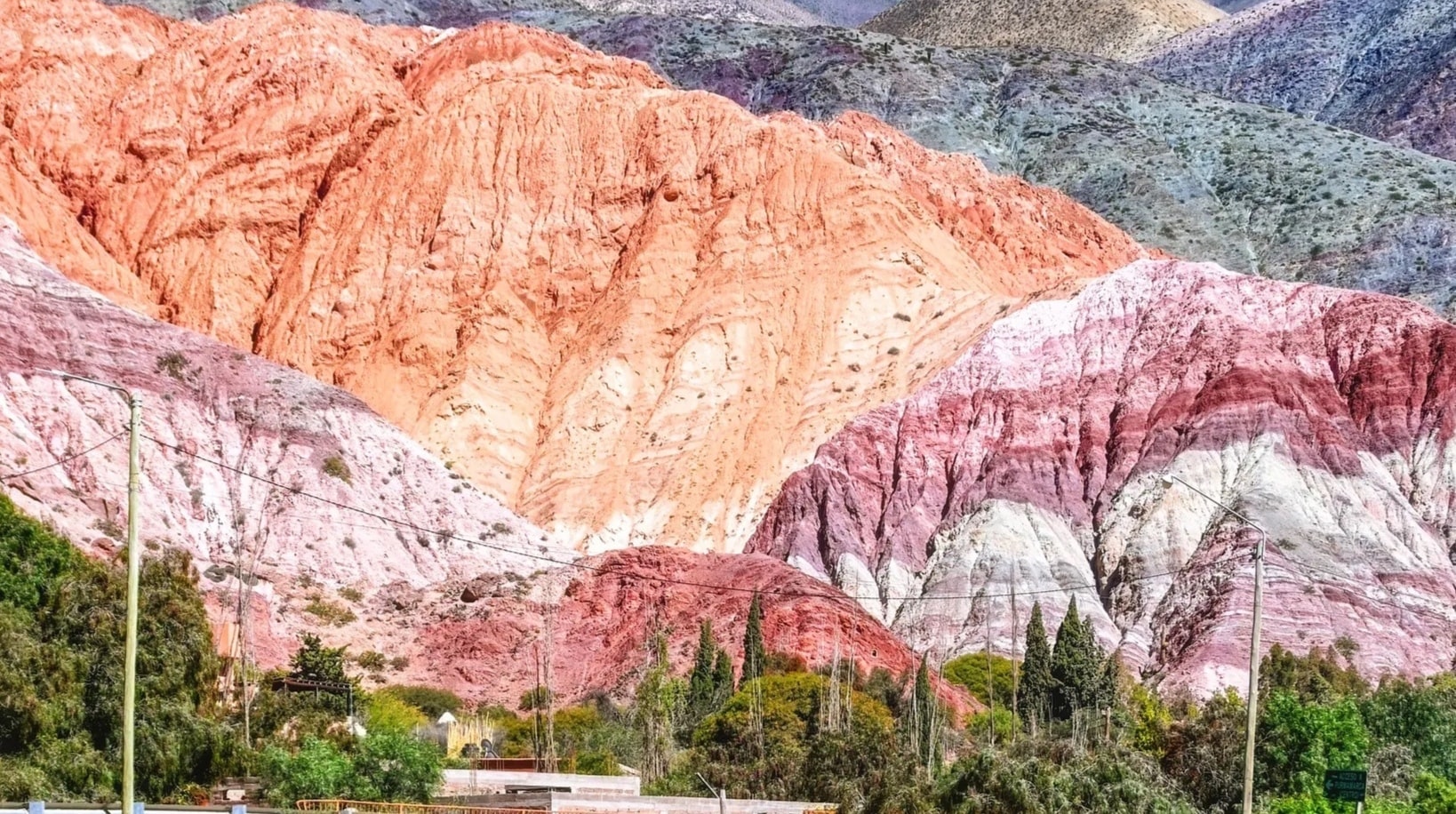
Days 11–13
Purmamarca & the Northwest
The Hill of Seven Colors, salt flats, and Andean cuisine
The Quebrada de Humahuaca is a UNESCO World Heritage landscape — a high-altitude valley of painted rock, pre-Inca ruins, and villages that have changed little in centuries. Purmamarca sits beneath the famous Hill of Seven Colors. Nearby, the Salinas Grandes salt flat stretches across the altiplano at 3,400m, and Tilcara's Pucará fortress watches over the valley from a hilltop.
Highlights
- Sunrise at the Hill of Seven Colors — the best light of the entire trip
- Salinas Grandes — the vast white salt flat at 3,400m altitude
- Pucará de Tilcara — a pre-Inca hilltop fortress with sweeping valley views
- Lunch with a local family — Andean stew, quinoa, and fresh cheese
- Artisan markets: textiles, ceramics, and dried herbs
Climate
Dry and sunny. Days are warm; nights are cold at altitude. Rainy season (Dec–Feb) brings afternoon storms but vivid colours.
Best For
Culture seekers, history lovers, altitude adventurers
All Five Regions at a Glance
Click any region above to explore it in depth.

Ready to See It All?
The full 14-day itinerary covers all five regions — every transfer, lodging, and experience arranged.